


Welcome to ‘Parma in a nutshell’, our visual and narrative diary that invites you to slow down, observe carefully and rediscover the beauty and incredible stories hidden in the corners of our city. Often, what is grand is so familiar to us that it becomes invisible. Today, we lift our gaze to a piece of architecture that embodies the splendour and ‘wonder’ of the Baroque: the Farnese Theatre.
A portal to history
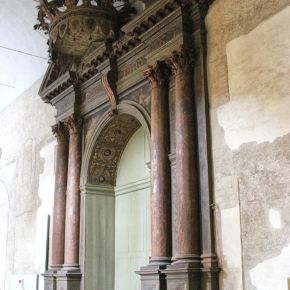
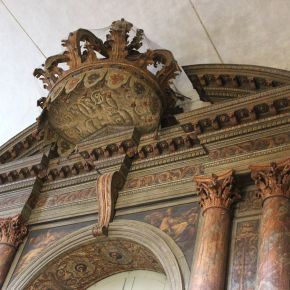
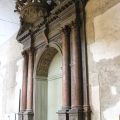
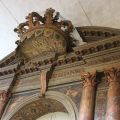
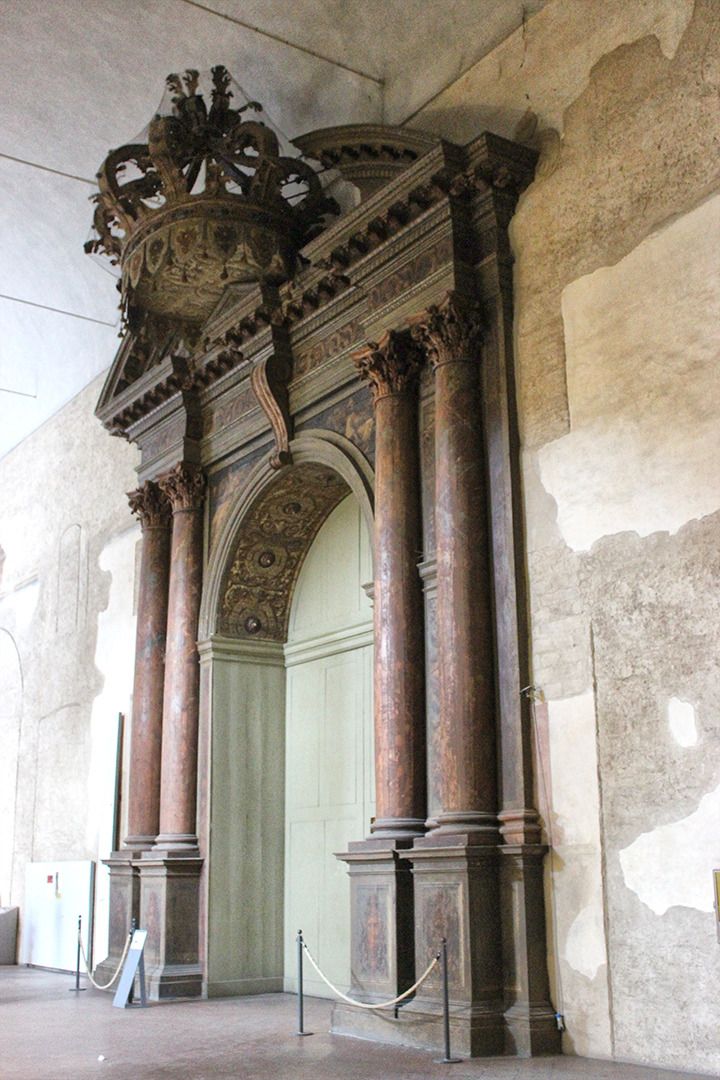
The Farnese Theatre is not like other theatres. It is located on the first floor of the Palazzo della Pilotta, behind a monumental painted wooden door surmounted by a ducal crown. This entrance alone prepares us for a spectacular setting, which still preserves the memory of the Farnese Dukes' lavish court life.
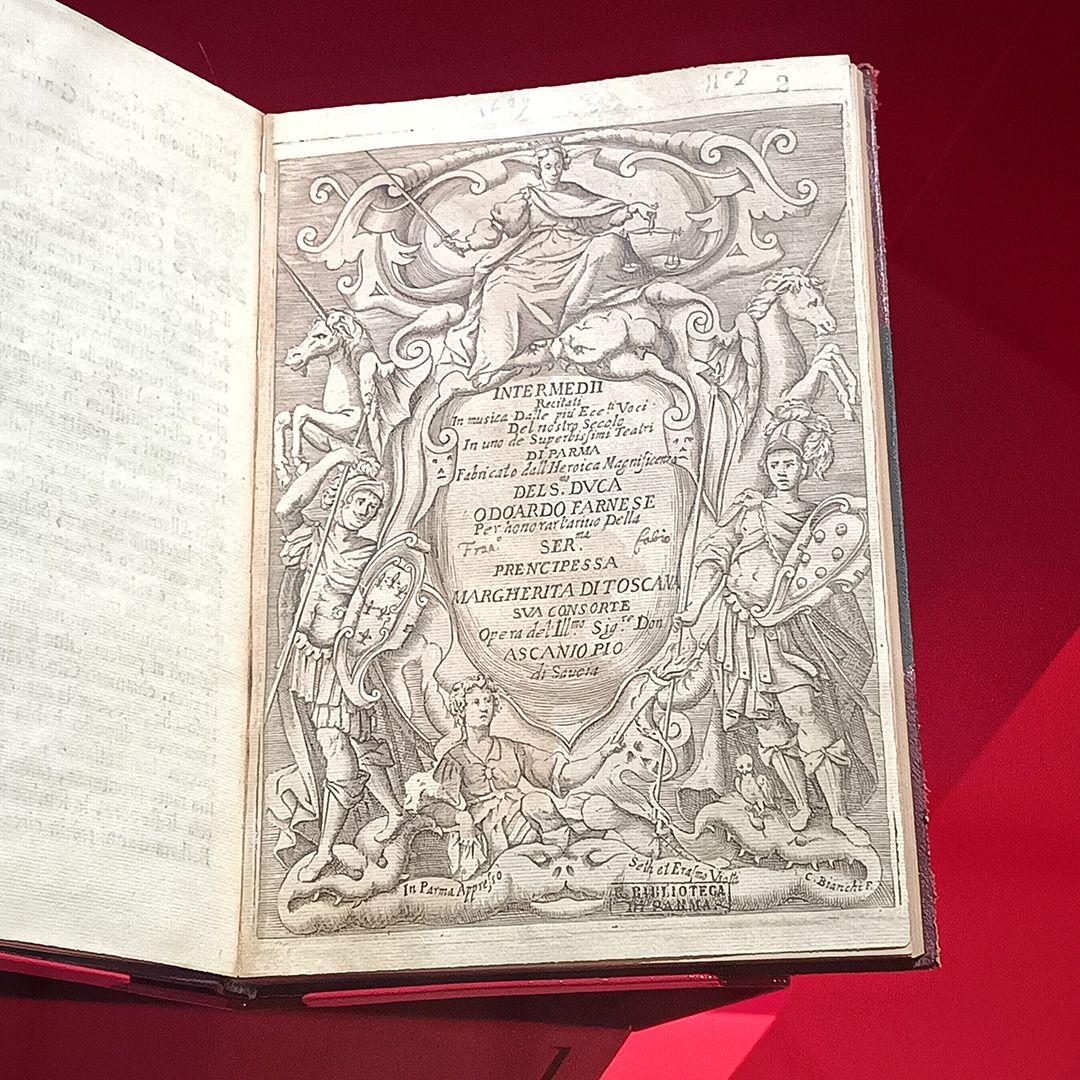
Commissioned by Ranuccio I, 4th Duke of Parma and Piacenza (1593-1622), the theatre was designed in a very short time to celebrate the planned visit of Cosimo II de' Medici, Grand Duke of Tuscany, with great pomp and circumstance. It was an event of great political importance, aimed at showing the grandeur and splendour of the Farnese family to the Italian aristocracy.
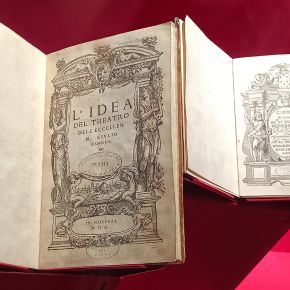
The architect commissioned was Giovan Battista Aleotti, known as ‘L'Argenta’ (1546-1636), a scholar from Ferrara whose interests ranged from mathematics to architecture, stagecraft and philosophy.






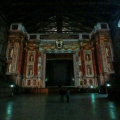


The Baroque marvel born from the ‘poor’
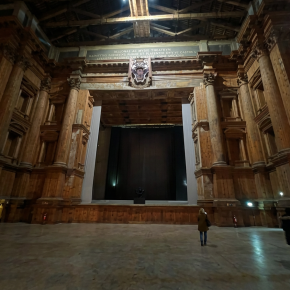
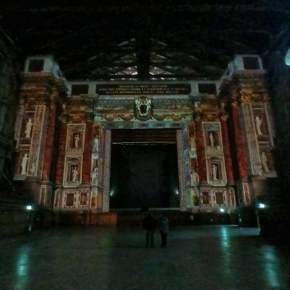
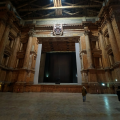
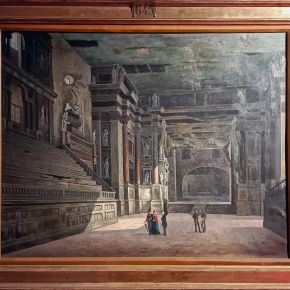
What makes the Farnese a surprising ‘pill’ of history is its essence. Today, admiring the imposing structure, one notices that it was built with lightweight materials that were quick to use and easy to find: wood and painted stucco. These “poor” materials were intended to imitate the sumptuousness of noble materials such as white marble, red porphyry and gold, transforming the environment into a completely artificial spectacle. It is one of the most extraordinary theatrical architectures of the 17th century and the first modern theatre in the West equipped with an engineering system for mobile scenery.
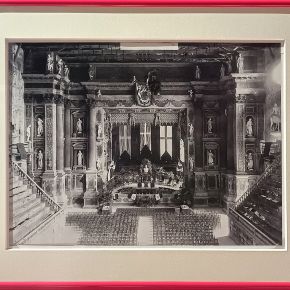
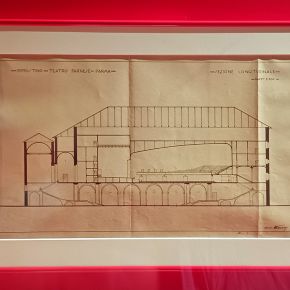
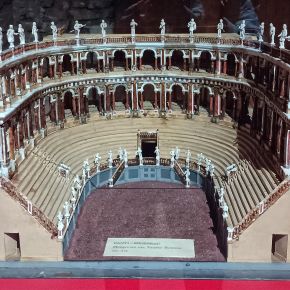
Its structure, inspired by classical models (Vitruvius) and Renaissance models (such as the Olympic Theatre in Vicenza and the theatre in Sabbioneta), features a large horseshoe-shaped auditorium with fourteen tiers capable of seating over three thousand spectators. The elongated U-shaped layout optimised capacity, visibility and acoustics.
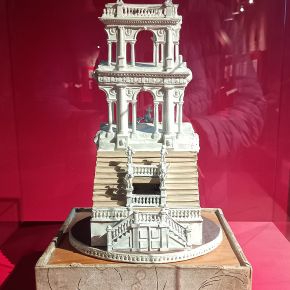
The stage was a work of engineering art: 40 metres long, it housed flat wings, three rows of sliding frames on tracks and an equipped understage area. This allowed for the creation of the first moving scenes in theatre history. The entire construction was a “great Farnese machine, designed to arouse wonder and admiration”.
The lost and rediscovered Naumachia
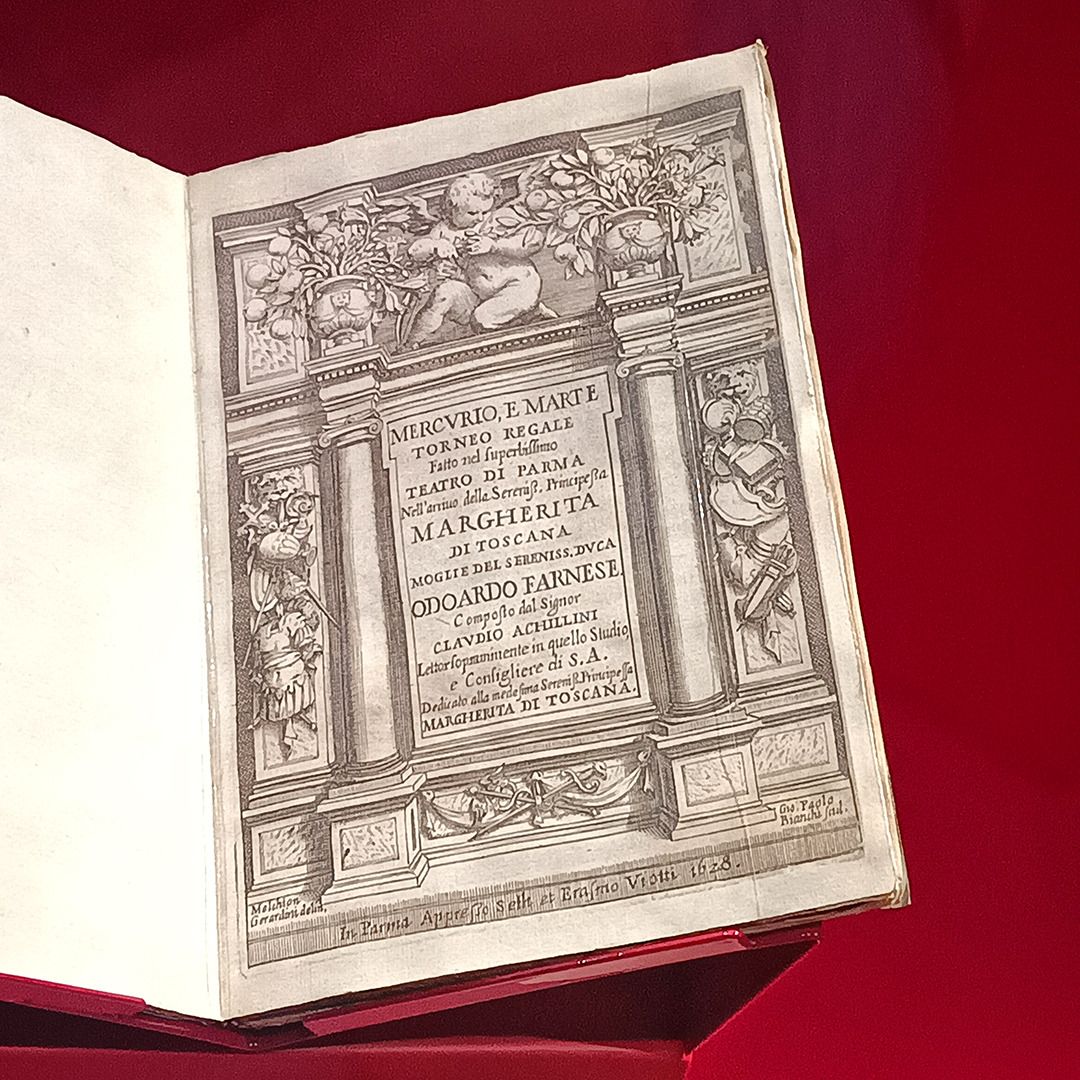
Although it was completed in 1619, the theatre was not officially inaugurated until 1628, on the occasion of the wedding between Odoardo Farnese and Margherita de' Medici.
The inaugural performance, an allegorical-mythological drama entitled ‘Mercury and Mars’ with text by Claudio Achillini and music by Claudio Monteverdi (the most famous composer of his time), culminated in a spectacular naumachia.
For this naval battle, the Argenta had devised an ingenious hydraulic system: the stage, which had been properly waterproofed, was flooded with an enormous quantity of water, pumped from tanks located beneath the stage. Imagine the orchestra, positioned in a semi-oval space enclosed by a parapet, which was designed to protect it (along with the instruments) from the flood of water during the final naumachia!
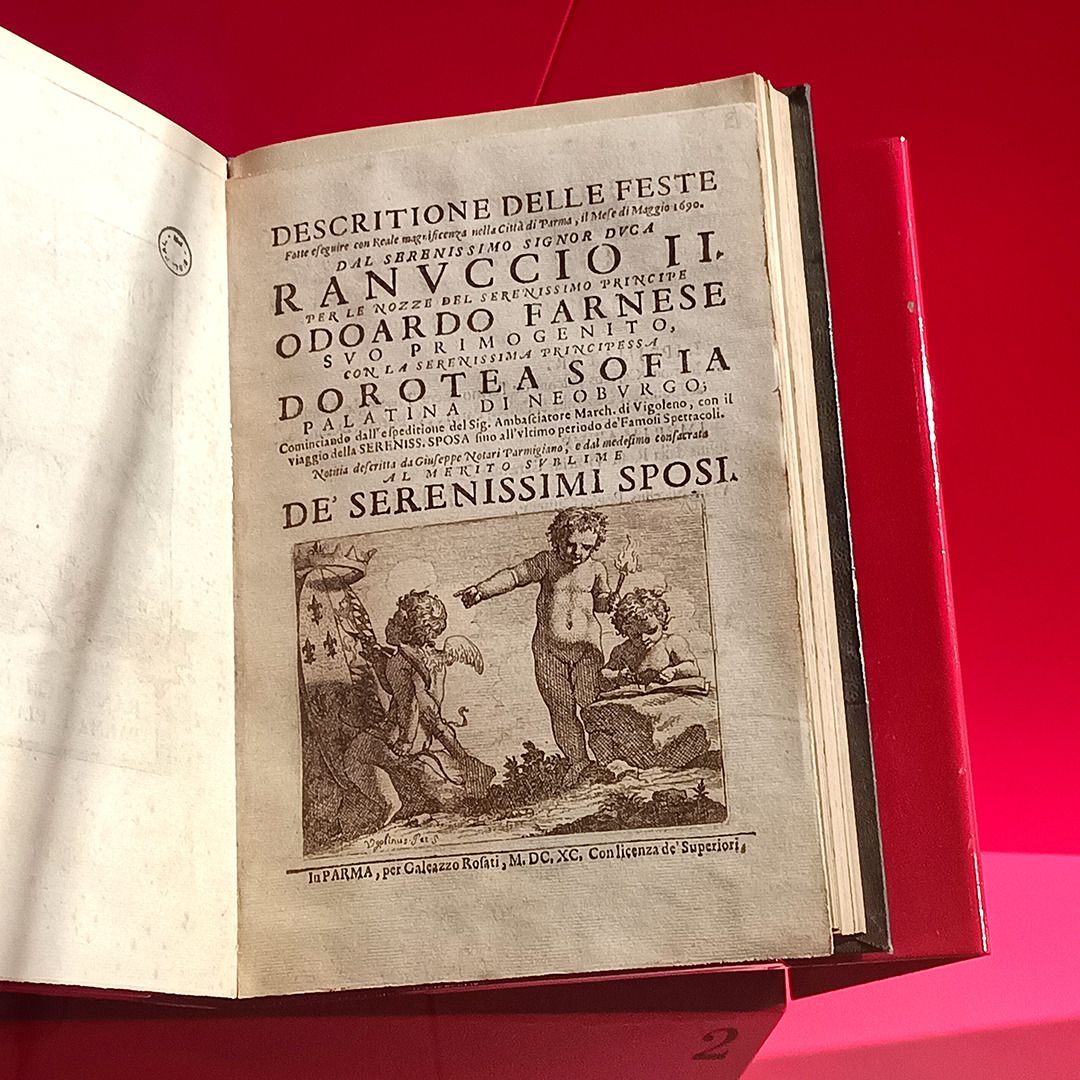
Given the complexity of the staging and its extremely high costs, the theatre was only used eight more times until 1732, for a total of nine performances during its Farnese history.


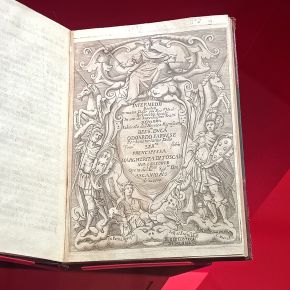
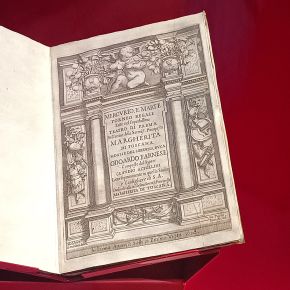
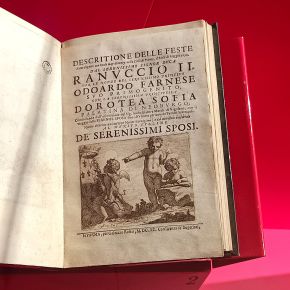
From Dust to Philological Reconstruction
After its last performance in 1732, the Farnese fell into a slow decline. It was finally abandoned when Maria Luigia commissioned the new Teatro Ducale in 1829. However, it remained a place of pilgrimage for illustrious visitors such as Montesquieu and Dickens, who lamented its state of disrepair in their diaries: broken wood, torn curtains, dirt and even rats “running riot”, as Dickens indignantly pointed out.
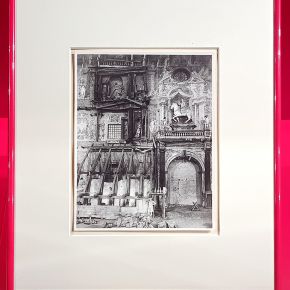
The final blow came on 13 May 1944, when Allied bombing severely damaged the Pilotta complex, almost completely destroying the Farnese Theatre, particularly the auditorium and the sculptural ceiling.
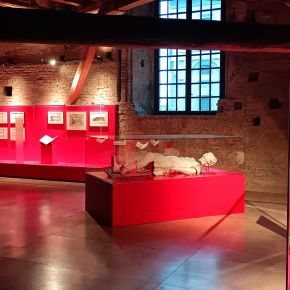
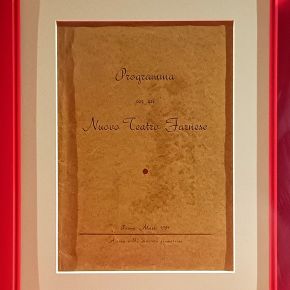
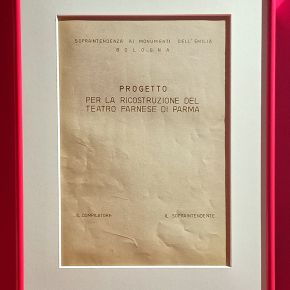
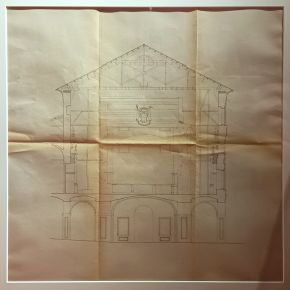
It was only after the war, particularly from 1953 onwards, that restoration work began with a philological approach, aiming to restore the grandeur of the architectural structure. The reconstruction was completed in 1962, thanks in part to local expert cabinetmakers who managed to reuse much of the original wood.
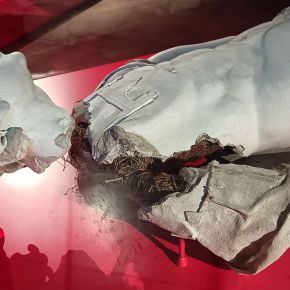
Today, the restoration highlights the original parts, offering a faithful picture of its architecture. Although most of the plaster and stucco statues have crumbled away, we can still see part of the decoration of the proscenium on the counter-façade wall of the theatre, which acted almost as a mirror, where the allegory contrasts Bellona (War) and Ceres (Peace), flanked by the equestrian statues of Alessandro and Ottavio Farnese.
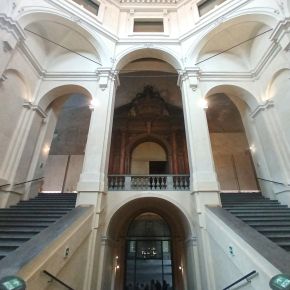
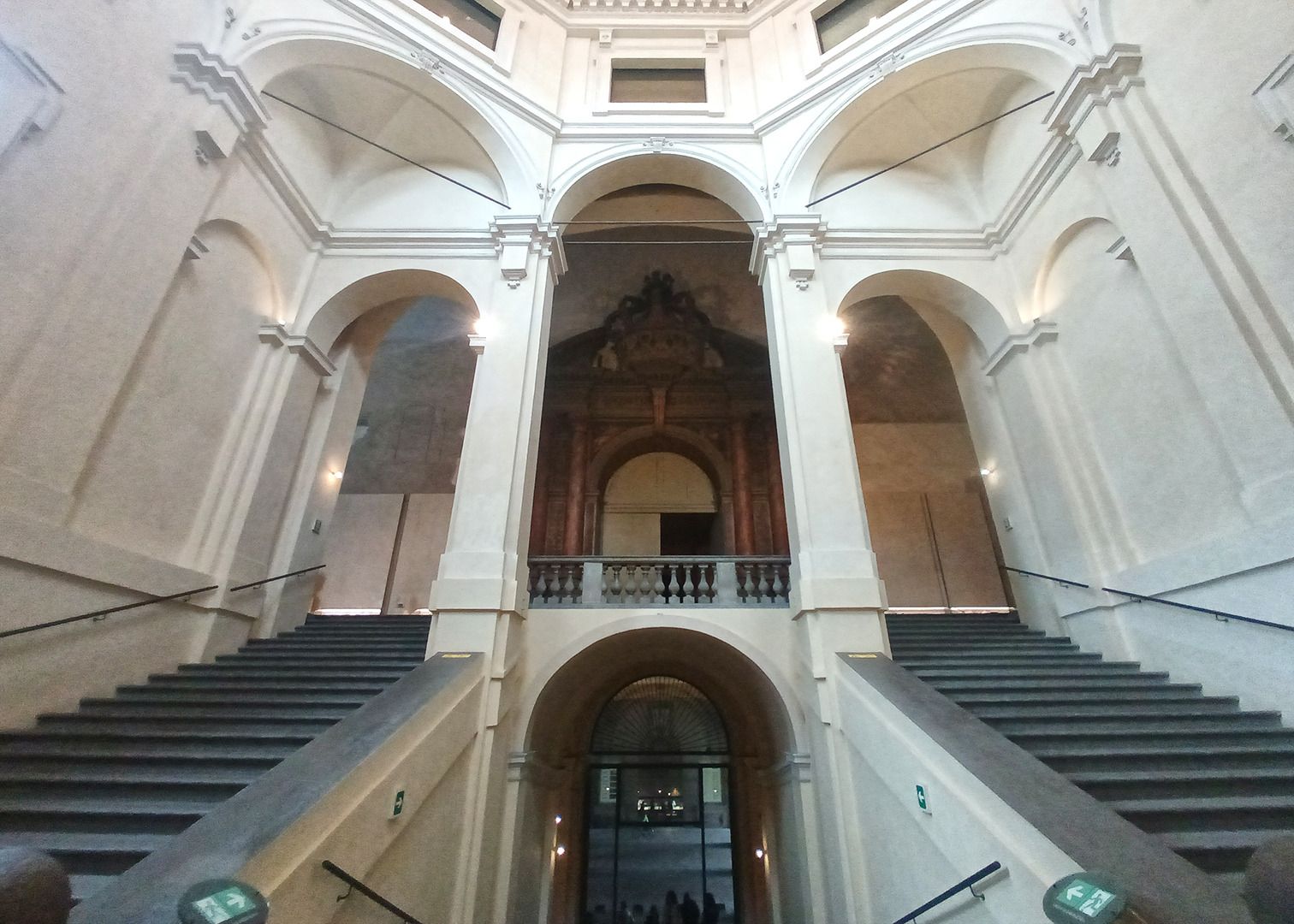
Today, the Teatro Farnese has once again become an integral part of the city's cultural heritage, serving not only as a venue for special events, but also as a grand entrance hall to the historical and artistic collections of the National Gallery of Parma.
The next time you visit the Pilotta, stop on the steps of the Teatro Farnese. Imagine not only the painted luxury that concealed the rough wood, but also the roar of fake cannon fire and the sound of rising water, transforming the auditorium into a stormy sea, celebrating the Farnese dynasty.


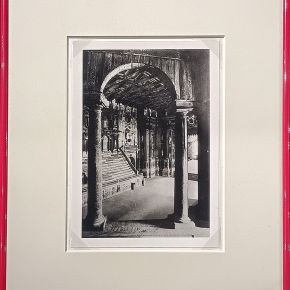




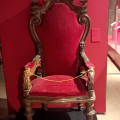

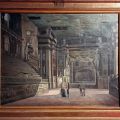





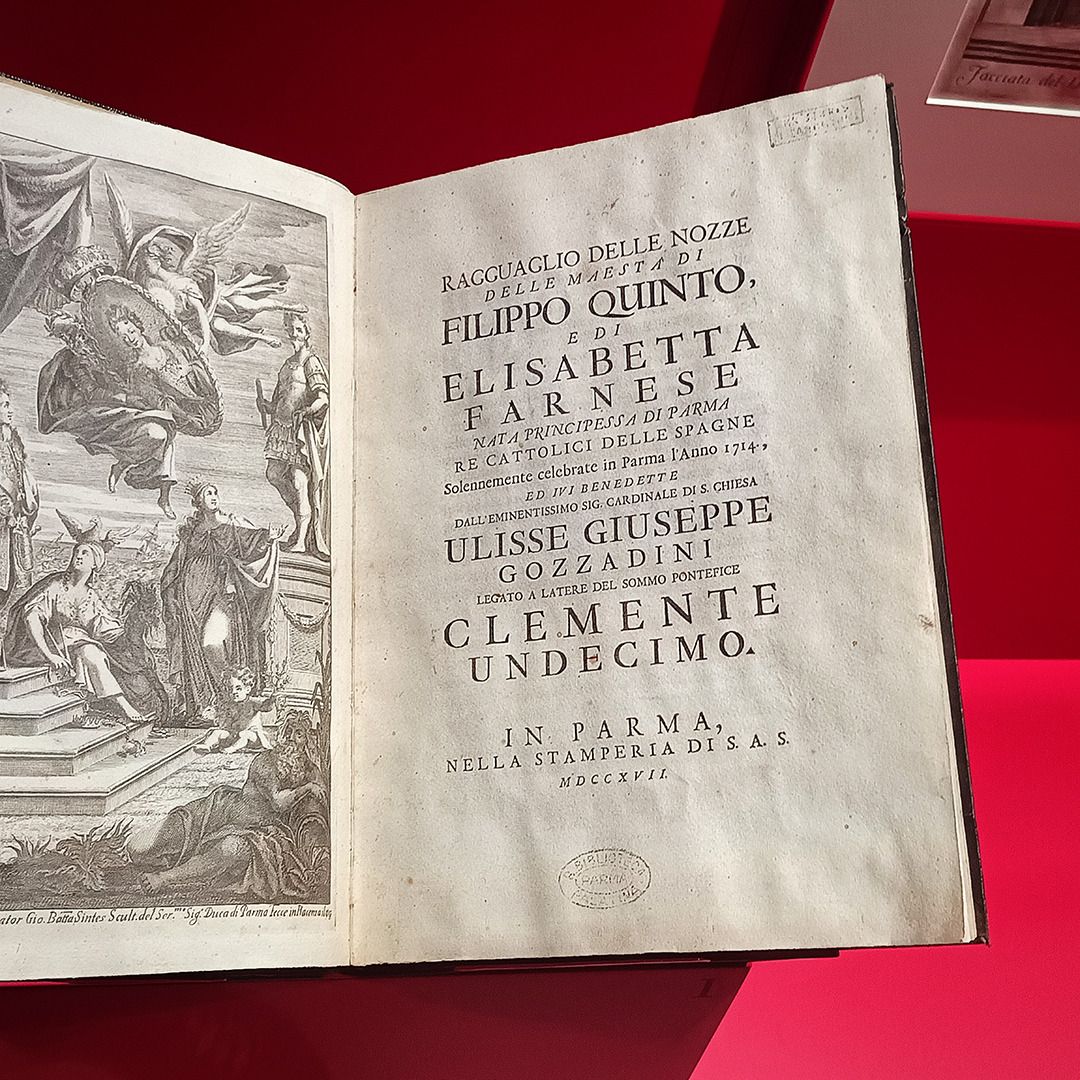


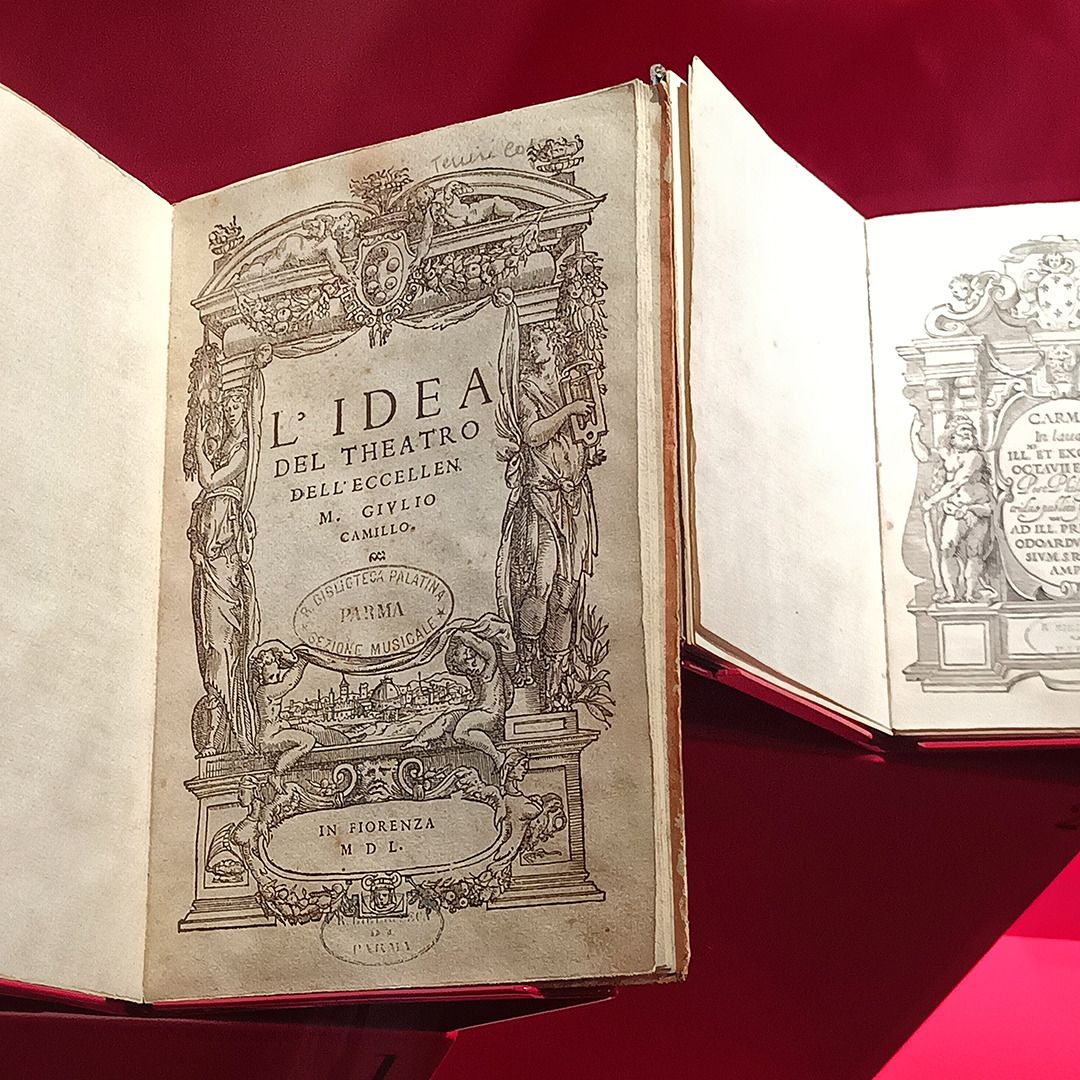
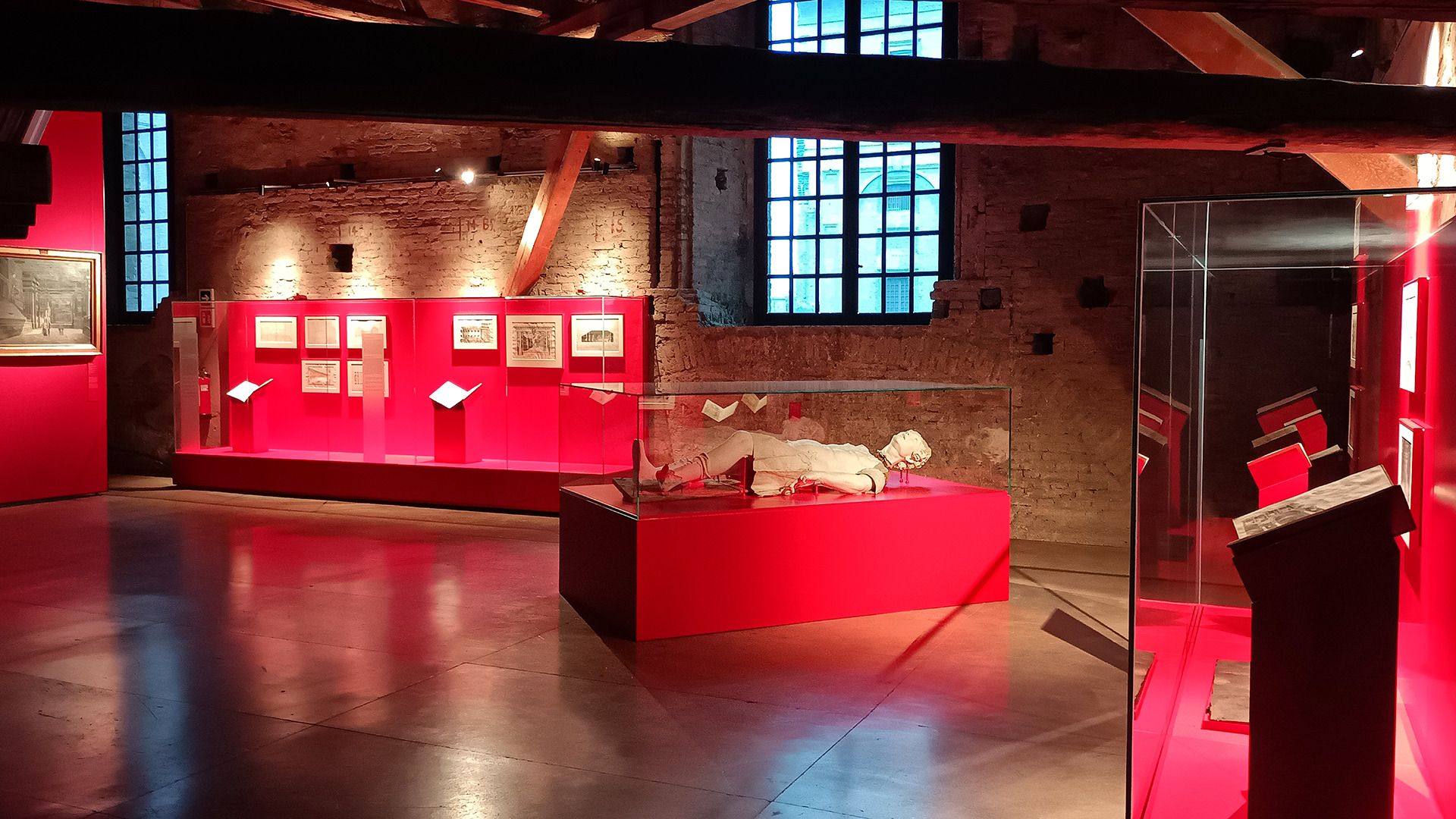
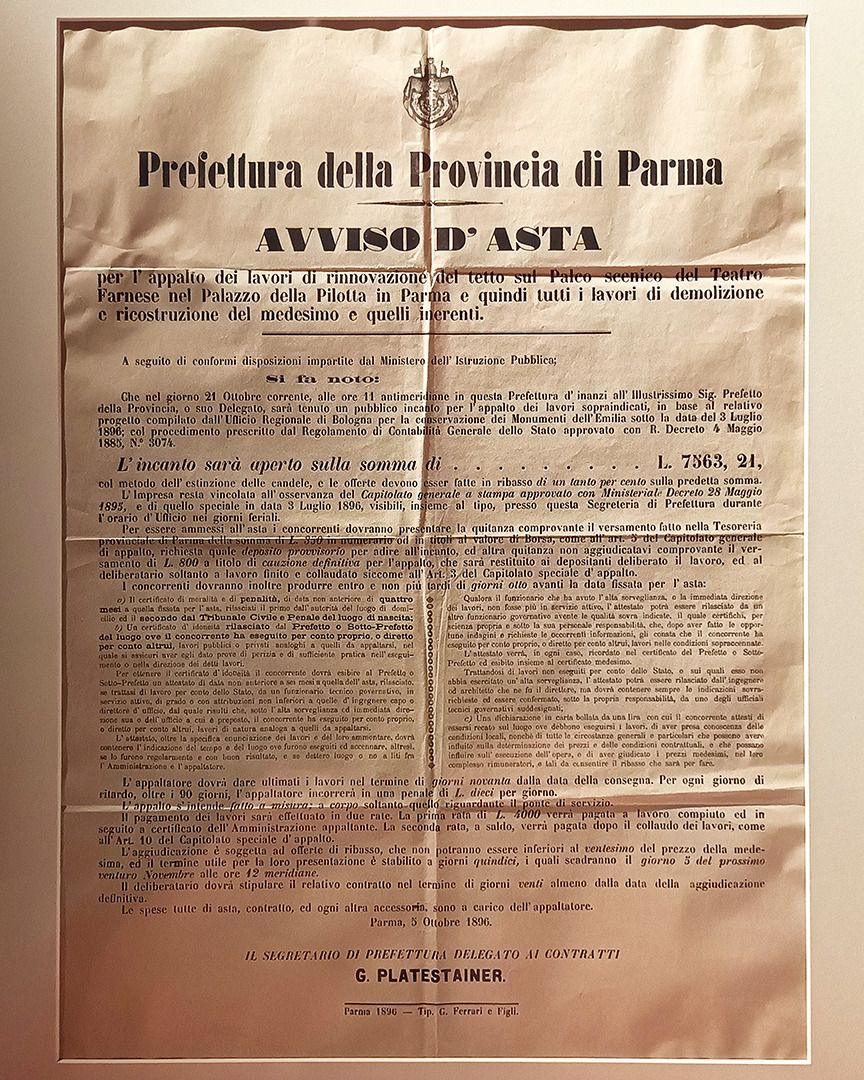


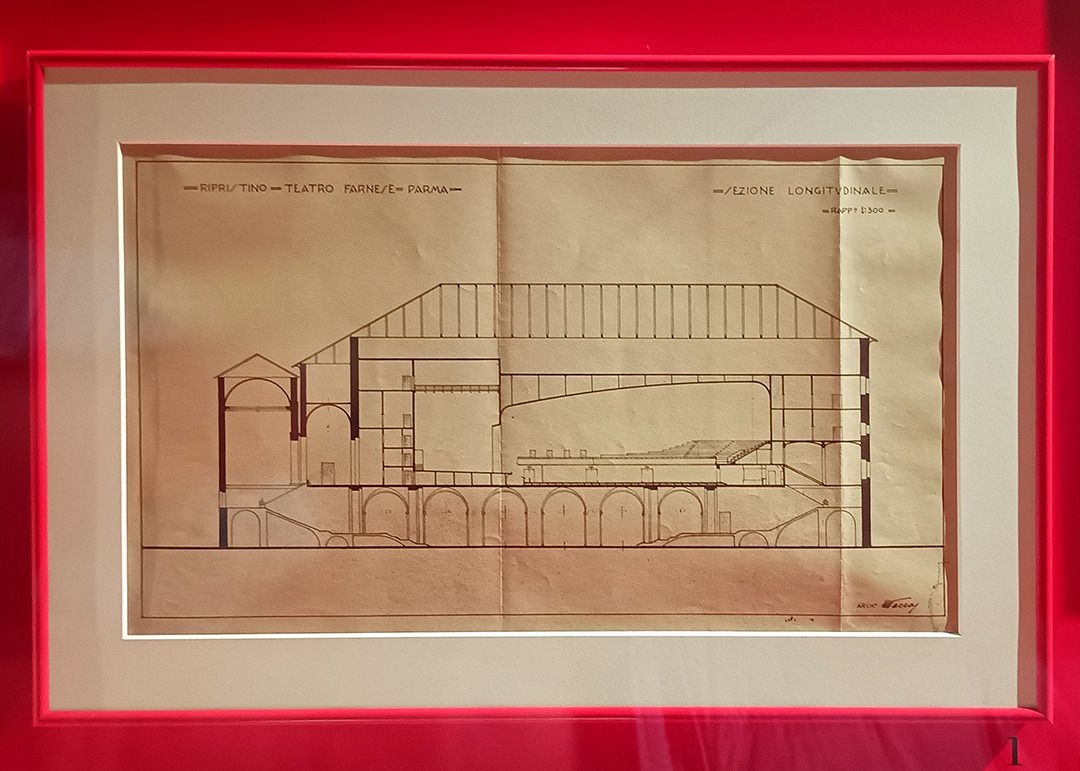


The Farnese Theatre is like a Baroque clock that, despite having been severely damaged and then rebuilt, continues to mark the hour of magnificence. It is not just a building, but a time machine that reminds us how, even with simple materials such as wood and stucco, ingenuity and ambition can create an eternal illusion of royal splendour.